The Spring housing market is off to a bit of a slow start, thanks to an extremely low inventory of homes for sale. Listings are starting to trickle onto the market, but some Realtors are struggling to find homes for their ready, willing, and able buyers.
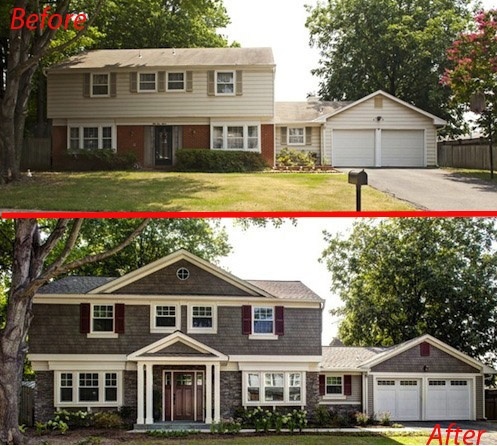
One way to make a match in this tough market is to have an open mind about what you hope to live in -vs- what is currently on the market.
If you need an amazing contractor to help transform an ordinary home in the extraordinary home of your dreams, I can help you with that. My book of names includes talented architects, builders and designers.
Open your mind to the possibilities……let's see what we can find.
photo credit unknown – found via Pinterest
Portland Oregon Real Estate Information, House Ideas, Portland Oregon Highlights.
Caryperkins.com… Windermere Top Producer….Fun With Real Estate
MICRO HOUSING – A micro-apartment, also known as an apodment or microflat, is a one-room, self-contained living space, usually purpose built, designed to accommodate a sitting space, sleeping space, bathroom and kitchenette within around 150–350 square feet.
“Micro housing” is fast becoming a reality in markets all across the country. For those who haven’t heard much about it, micro housing is fully functional living space in a very small square footage blueprint (under 600 square feet).
Japan has been building micro housing units for years. It is now a very important part of urban markets everywhere. New York, Boston, Washington D.C., San Francisco, Chicago, Seattle and even Cleveland have micro housing product. Micro housing is also huge in Canadian markets such as Vancouver and Toronto where it is a much-needed segment of the market.
Micro housing is not only a solution for buyers who can’t afford larger space. In fact, in some markets micro housing is the preferred high-demand product type for a certain segment of the population. Micro housing is generational and lifestyle-driven by Baby Boomers wanting to have a small space in urban communities and young professionals wanting to be close to work and to the urban hub. Additionally, consider that a large part of our population is single. Back in the 1950s, the United States’ adult population was about 10% single. Today that number is closer to 40%. Single people require smaller living spaces than their coupled counterparts. With younger people choosing to get married later in life with higher rates of divorce coupled with Baby Boomers wanting spaces in urban areas along with young professionals – this all adds up to a much greater demand for micro housing.
Urban areas are beginning to recognize the need for micro housing in their urban centers. While in the past, a larger living area was required, in many cities across the country, planning and development departments are beginning to regulate micro housing as a separate entity. This is a clear indication that they are beginning to see the reality of its long-term place in the market and eyeing it as a solution for high-demand areas close to commerce as it also lessens the demand on mass transit the closer to work people live.
Mark my words – micro housing will become the buzz word in real estate in the next two years, just like “short sales” was when the market tumbled. Watch for many more micro housing developments to spring up in urban areas all around the country in years to come.
Portland Oregon Real Estate Information, House Ideas, Portland Oregon Highlights.
Caryperkins.com… A Windermere Top Producer….Fun With Real Estate!
While not for the faint of heart, some out-of-town home buyers just can't be there to see every new listing, and have to make the offer without having seen the house. This requires a high level of trust, and the Realtor must be very careful to guide, but not sell. (Though it helps to have spent considerable time with the buyers on at least one previous visit.) Obviously, there is a distinct possibility that once the buyer sees the home, it may not be exactly what they had envisioned.
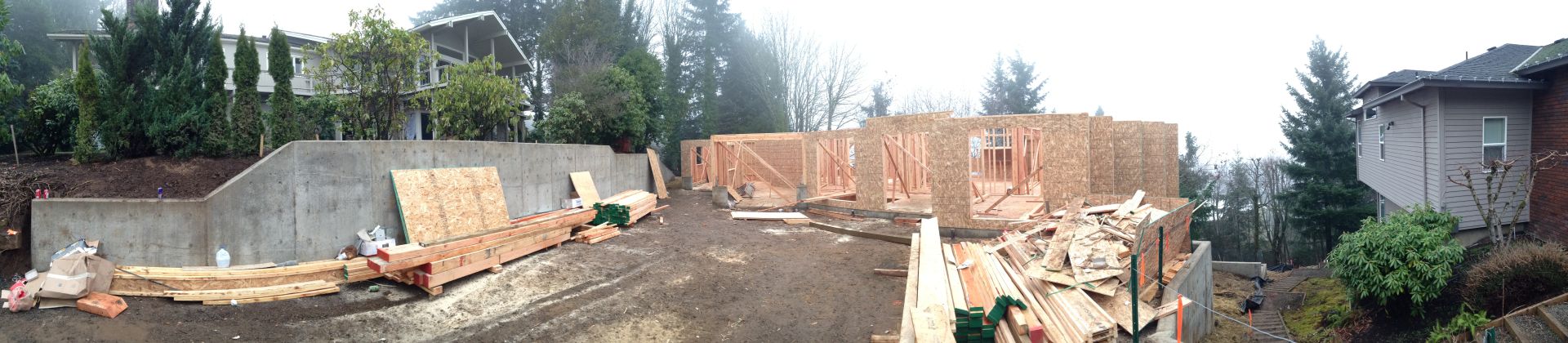
This is why mobile devices are so useful in the home buying process. With a portable hot spot, a realtor can use Facetime to walk through the home with a live feed to the buyer. Questions can be asked real time, and Realtors can show nooks and crannies that aren't normally photographed. Panoramic photos can show the entire yard and its surrounds, so buyers can see whether there are homes peering into their private spaces. Videos of the street, and all the neighboring houses can help the far away buyer to get a good feel for the neighborhood. Texting, phone calls and email from the home make for instant answers to any questions the buyer may have. Once they've "seen" the home in this way, they can feel a level of comfort in buying a home sight-unseen because they've actually "seen it."
The home above looked like a nice, private new construction option for my buyers. When I previewed the home, it was sandwiched between one large home that overlooked the entire site, and another too close for comfort. One panoramic photo told the tale better than any telephone conversation.
This question comes up every year around this time. Things are slowing down a bit, you're thinking about family and celebrations, and yet you want to get your house sold.
Many sellers feel that the spring is the best time to place their home on the market as buyer demand increases at that time of year. However, the fall and winter have their own advantages. Here are five reasons to sell now.
Only Serious Buyers Are Out
At this time of year, only those purchasers who are serious about buying a home will be in the marketplace. You and your family will not be bothered and inconvenienced by mere 'lookers'. The lookers are at the mall or shopping on NW 23rd!
There Is Far Less Competition
Housing supply always shrinks dramatically at this time of year. The choices for buyers will be limited. Don't wait until the spring when all the other potential sellers in your market will put their homes up for sale.
The Process Will Be Quicker
One of the biggest challenges of the 2013 housing market has been the length of time it takes from contract to closing. Banks have been inundated with both purchase and refinancing loan requests. Both of these will slow in the winter cutting timelines and the frustration these delays cause both buyers and sellers.
There Will Never Be a Better Time to Move-Up
If you are moving up to a larger, more expensive home, consider doing it now. Prices are projected to appreciate by over 25% from now to 2018. If you are moving to a higher priced home, it will wind-up costing you more in raw dollars (both in down payment and mortgage payment) if you wait. You can also lock-in your 30 year housing expense with historically low interest rates right now. There is no guarantee rates will remain at these levels in years to come.
It's Time to Move On with Your Life
Look at the reason you decided to sell in the first place and decide whether it is worth waiting. Is money more important than having the freedom to go on with your life the way you planned? Will taking your house off the market now make this go any easier in the spring?
You already know the answers to the questions we just asked. You have the power to take back control of the situation by pricing your home to guarantee it sells before the end of the year .
Portland Oregon Real Estate Information, House Ideas, Portland Oregon Highlights.
Caryperkins.com… A Windermere Top Producer….Fun With Real Estate
I've always admired the history of the homes I've shown and sold. Sometimes when I visit a 60's or 70's home, I enjoy a great flashback to my younger days…. once I ran across the same wallpaper we had in our family room and just about melted from the happiness of seeing it again.
What's more exciting to me is to picture the people who lived there – from the time these fabulous old houses were new, and through today. Imagining the previous owners is a practice of mine – it makes seeing thousands of houses every year even more fun!
But if you want the REAL details on the history of your home, there's a great article in the Oregonian today telling you how to research the architect, the home's builder, original address and more.
Here is a re-print of the Oregonian article: (and a link to it here)
This vintage photo is of a 1935 Birkemeier in northeast Portland. (Larry Keltner)
Do you wonder who else once lived in your home? Or who designed it? There are easy ways to uncover its history.
Val Ballestrem, the education manager for the Architectural Heritage Center, teaches a course on researching a house’s history. He recommends these resources:
Portland Maps is a great starting point. Find the tax ID – lot and block information – and plumbing permits here, which may identify the builder, original owner and subsequent homeowners.
If the house is older than 1931, it likely had a different address when it was built. From 1931 to 1933, the City of Portland renamed some streets and renumbered house addresses. For example, SE 35th Place was originally East Marguerite Street.
Once armed with names of previous homeowners or builders, tax lot information and the original address, go to The Oregonian Historical Archives (accessible through Multnomah County Library with your library card number and PIN). You might find an original real estate ad that describes the home and perhaps identifies the builder or architect.
If you know the builder or architect, additional research can uncover other structures they designed or built. Perhaps you’ll even find a “twin” to your home, says Ballestrem.
In a paper-driven business that requires a LOT of forms, (if you've done a transaction lately, you'll know exactly what I mean) it takes a forward-thinking company to get rid of the paper. I'm so happy to say that Windermere in Portland has taken the leap.
Starting today, all transactions will be handled without the bulky paper files. Our notes, correspondence, and all transaction paperwork will be stored and instantly backed up and encryptedin secure servers in multiple locations worldwide! Having numerous back-ups besides our local server is especially reassuring when dealing with such important documents.
Not only is our system secure, it is totally customized to the Windermere way. (We follow strict guidelines about paperwork – our commission checks are dependent upon perfect files -well ahead of what is frequently the case in the industry.)
Our paperless transactions are also web-based, so that no matter where we are, we can instantly access a contract, a page of notes, or a home inspection report and deal with it from in the field, where, if you're a busy Realtor, you will most often find yourself.
What this means for my clients is a smoother experience and the knowledge that no matter what or when they need it, I have access to their transaction file – even if it's years later and they have an important question or wondered who was the contractor who fixed their plumbing, it's at my fingertips.
For me, it's like a silent assistant organizing my paperwork and file drawers. Not only that, it sends me a message to get a signature or submit a document to the escrow agent or lender.
No more paper waste, faxes and copies, This is revolutionary!
Once again, it makes me really proud to be working with Windermere – one of our country's top-notch Brokers.
Portland Oregon Real Estate Information, House Ideas, Portland Oregon Highlights.
Caryperkins.com… A Windermere Top Producer….Fun With Real Estate!
Four Portland condo buildings tied up in defect lawsuits
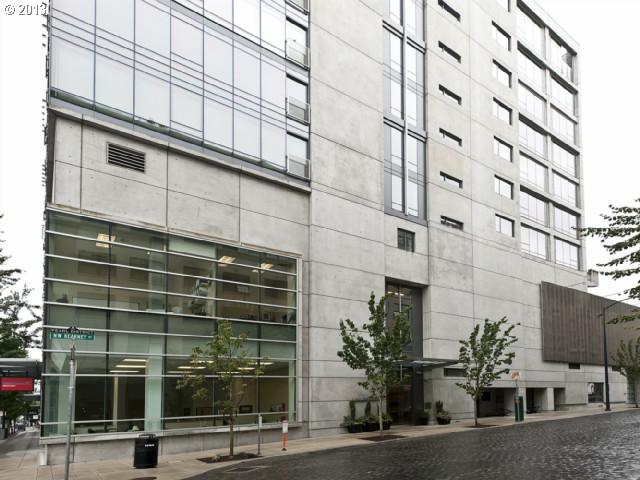
A flood of lawsuits over allegedly leaky water pipes has tied up at least four Portland condominium buildings in court, leaving hundreds of condo owners essentially unable to sell their units until the legal wrangling is over.
Owners associations at four Pearl District and downtown Portland condo buildings are suing the supplier of valves, gaskets and other piping products used in the buildings, claiming widespread failures have caused water damage in some units and will cost millions in repairs and temporary relocations.
But for owners and would-be residents, the biggest inconvenience may come from the lawsuits themselves.
Litigation tends to cut off financing for purchases in affected condo buildings, so owners are left to find all-cash buyers. Or, more likely for many, just wait things out.
Identical products were installed in many other area buildings during the condo boom of the mid-2000s, too, meaning the current battle may only be a precursor to an even bigger fight down the road. Property managers in other buildings have notified residents they're inspecting the plumbing and examining their options.
The litigation — and the threat of more litigation — has cast a pall over the Portland condo market, real estate brokers say, at a time when sales are improving and developers are once again considering new condo construction.
"It seems like this is a little blown out of proportion," Andrews said. "It puts a cloud over the condo market."
'Widespread property damage' alleged
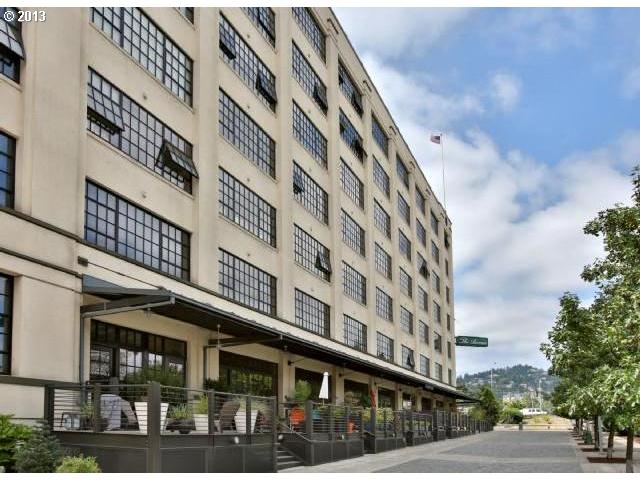
In the current case, the owners associations of the Elizabeth Lofts, the Avenue Lofts, the Benson Tower and The Edge Lofts have all filed lawsuits against Victaulic Co., a Pennsylvania company that supplied the products the owners say are failing and causing "widespread property damage." Together, the buildings comprise 621 condo units.
The associations are each seeking at least $2 million in damages, including replacing the Victaulic components, repairing earlier water damage and moving residents out while repairs are completed.
Victaulic did not return calls last week seeking comment. In court documents, the company says its suppliers should be held responsible if the parts were defective, though it denies they were.
Attorney Michelle McClure, who represents the four buildings in the lawsuits, also declined to comment, citing an expected gag order from the court.
She didn't want to talk about the possibility of other affected buildings, either, saying she couldn't discuss "potential future clients."
The associations say in filings that repairs — which will involve accessing plumbing systems through units' walls — will be invasive and messy. They're asking for damages in part to temporarily relocate residents and their belongings.
Without replacing the piping components as a precautionary measure, they say, further damages is "inevitable."
A weekslong trial is set to begin in January in The Elizabeth's case. The others come later in 2014.
And until the trials end, either in a finding or a settlement, financing may be inaccessible.
"Boom, you've got 700 units that can't be sold on the open market," said Andrews.
Secondary mortgage investors Fannie Mae and Freddie Mac often decline to buy mortgages for condo buildings involved in litigation, so many lenders won't offer them. If any do, it will be at a higher rate and typically with lots of cash up front.
The first lawsuit at The Elizabeth was filed in Multnomah Circuit Court in 2010. The others joined with lawsuits in U.S. District Court this year, with The Benson filing most recently in June.
Most homeowners who had hoped to sell will have stay put until the cases are resolved — if they have a choice. Others who have to leave, making a job change, for example, may rent out the unit, though many condo associations institute caps on the number of units that can be rented in the building.
Anyone else will have to find an all-cash buyer.
"When you remove all the potential buyers who need a loan, you're left only with cash buyers, and a cash buyer tends to be able to drive a harder bargain," said John Becker principal broker at Realty Trust Group. "They know they're the only person around to buy it."
Another lawsuit involving a Portland condo building illustrates the impact.
When the owners association at The Meriwether on the South Waterfront sued the building's developer in December 2011 over leaks and other issues, sales plummeted.
All 2012 transactions — just two-thirds the number seen in just the first seven months of this year — were made in cash, Becker said. (That suit ended was settled out of court earlier this year.)
The more recent cases may be easier on homeowners because the cost and scope of repairs is much smaller.
"The boards and the management companies totally recognize the impact this has on the owners," Becker said. "They were respectful of the impact this has on people who have to sell property."
But the litigation has put buyers on alert, said Andrews.
Rather than risk the hassle of buying at one of the affected buildings — or any built around the same time period, for fear the parts might cause a problem in the future — they're more likely to look at older buildings where it's a nonissue.
"There are a ton of buyers that are pent up, waiting on the sidelines, to see what happens," Andrews said.
The recent rise in mortgage rates has made buying a house a little more expensive: the increase in the 30-year fixed rate over the past month from 3.4% to 3.9% (Freddie Mac) raised the monthly payment on a $200,000 mortgage by $56, or 6%. However, because mortgage rates are still near long-term lows, and because prices fell so much after the housing bubble burst and remain low relative to rents even after recent price increases, buying is still much cheaper than renting. That means that the recent jump in rates doesn’t change the rent-versus-buy math much.
Rates are likely to keep rising, but how far must rates rise before buying a home starts to look expensive relative to renting? To answer this, we updated our Rent vs. Buy analysis with the latest asking prices and rents from March, April, and May 2013. Following our standard approach, we calculated the cost of buying and renting for identical sets of properties, including maintenance, insurance, taxes, closing costs, down payment, sales proceeds, and, of course, the monthly mortgage payment on a 30-year fixed-rate loan with 20% down and monthly rent. We assume people will stay in their homes for 7 years, deduct their mortgage interest and property tax payments at the 25% tax bracket, and get modest home price appreciation (see the detailed methodology and example here). Here’s what we found:
Buying remains cheaper than renting so long as mortgage rates are below 10.5%. At 3.9%, the current 30-year fixed rate according to Freddie Mac, buying is 41% cheaper than renting nationally. With a 5% mortgage rate, buying is still 34% cheaper than renting nationally. Mortgage rates would have to rise a huge amount – to 10.5% – to tip the math in favor of renting, which isn’t impossible. Rates were that high throughout the 1980s, but have been consistently below 10.5% since May 1990.
Each local market, of course, has its own mortgage rate “tipping point” when renting becomes cheaper than buying a home. At 3.9%, buying is cheaper than renting in all of the 100 largest metros, which means the tipping point is above 3.9% everywhere. The tipping point is lowest in San Jose, which would tip in favor of renting if rates reach 5.2%. It’s between 5% and 6% in San Francisco and Honolulu, and between 6% and 7% in New York and Orange County, CA.
Of course, the tipping point also depends on how long you plan to stay in your next home (we assume 7 years) and whether you itemize your deductions (we assume you do). For instance, if you don’t itemize, or if the mortgage interest and property tax deductions were eliminated entirely, buying would still be 29% cheaper than renting at a mortgage rate of 3.9%, and the tipping point when renting becomes cheaper than buying would be 7.5%.
But just because buying is cheaper than renting, it doesn’t mean you can buy. Lots of people who want to buy don’t have the downpayment or can’t get a mortgage. Even people who can swing it financially might not be able to buy right away, before rates rise further, because they might not find the home they want quickly with inventory still so tight.
So if the recent increase in mortgage rates doesn’t change the rent-versus-buy equation substantially, why does it matter? The main effect is to reduce the demand for refinancing. Unlike homebuying, refinancing is a relatively straightforward financial decision: although refinancing has upfront costs, refinancing doesn’t require finding a home, thinking hard about your lifestyle, or moving. Since rates have been low for so long, many people who were able to refinance, already have. As a result, the demand for refinancing is now dropping.
For people who haven’t yet refinanced – and for people looking to buy – rising rates do make housing more expensive. Rates are now on the rise and are likely to keep rising, thanks to the strengthening economy and the Fed eventually trying less hard to keep rates low. But it will take big rate increases to turn off prospective homebuyers. At today’s prices and rents, rates would have to rise to levels we haven’t seen in 20 years before renting is cheaper than buying a home on average across the country.
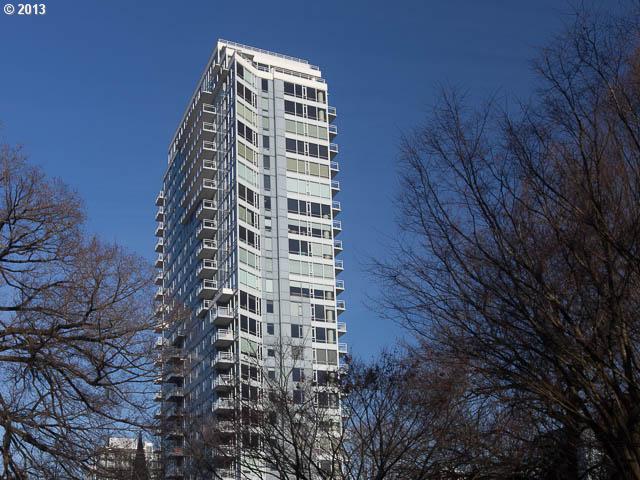
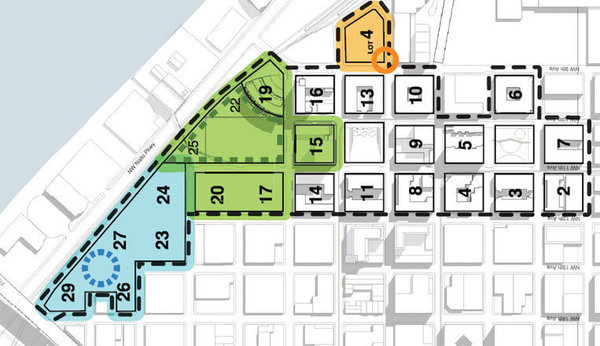
During Tuesday’s Planning and Transportation meeting, developer Hoyt Street Properties and Boora Architects, sought design advice for Pearl District Block 17. Hoyt Street Properties purposes a residential tower and mid-rise structure for the site. Based on last night’s design presentation, the tower skin is described as modern light-colored glass. The mid-rise skin was all white brick.
Unfortunately — Boora declined my request for renderings at this time.
With the project shaping up, so far we know the following:
16 floor tower, 175′ height
Separate 5 floor mid-rise structure
280 units total, including 60 in the mid-rise structure
219 below grade parking spaces
Ground floor walk-up units, and no retail
Service street is 12th avenue
Courtyard will separate two buildings
Top floor of tower will include common space and 1,000 sqft terrace
Lobby entrances are on South East corners of both buildings
Feedback from residents and guests of the meeting was mixed. Most agreed the northern end of the Pearl District is currently in a “white” facade trend. They urged the developer and architect to avoid using white. Also, others pushed for a substantial design difference between the mid-rise and tower. Currently the mid-rise is modern, but residents suggested making it more traditional. Folks even commented on the staggered windows, saying, “they’re a 2010 trend.”
The committee seemed intrigued by the courtyard between the tower and mid-rise, but discouraged by the lack of integration the park has with the site on 11th avenue. The courtyard runs North to South, and has three entrances. Two of those entrances are staircases; which were criticized as uninviting, but Hoyt did ensure the staircases are wide.
Boora and Hoyt will return in July or August with an updated design.

 Facebook
 X
X
 Pinterest
 Copy Link